Skip to content
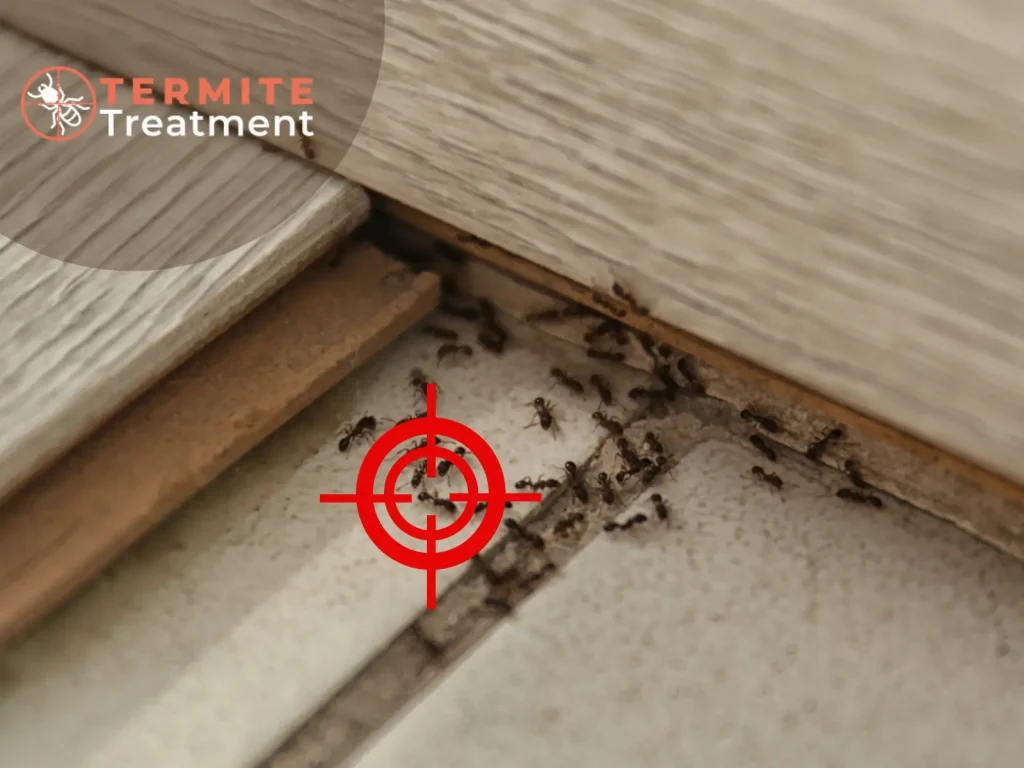
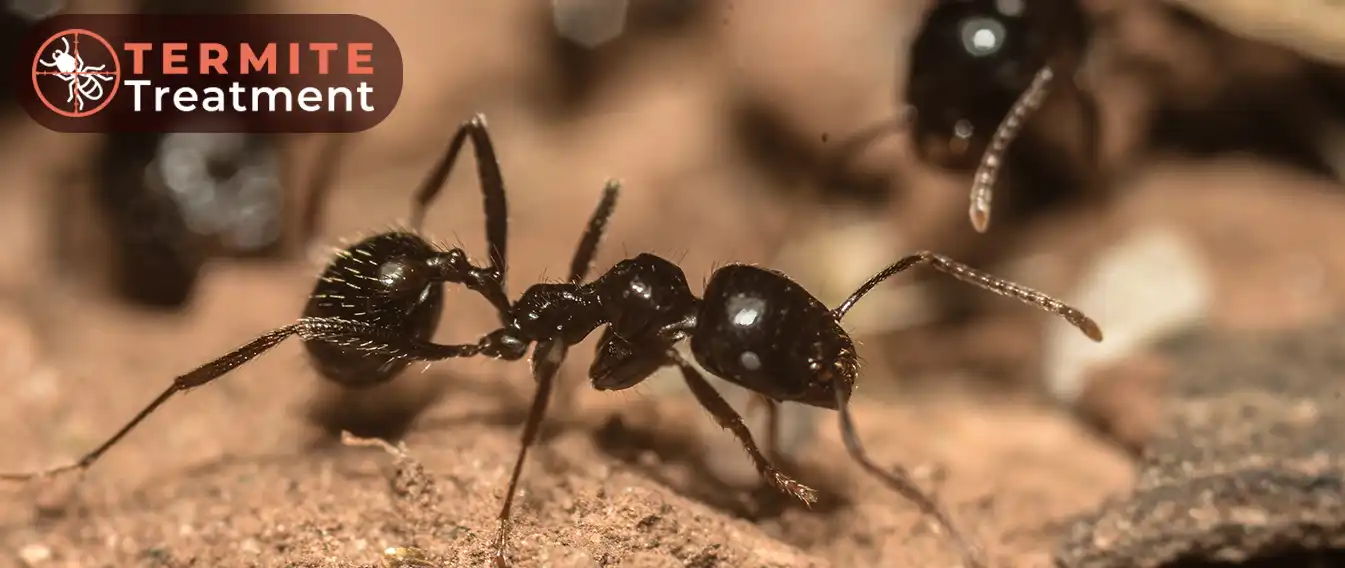
Discovering a pile of dead ants in your home can be unsettling. We understand the desire to quickly remove these tiny invaders without causing more harm. When ants invade our spaces, they often leave behind their fallen comrades. It’s important to clean up these deceased ants promptly to prevent attracting more ants. Through this guide, we aim to provide you with effective methods to safely and efficiently deal with dead ants. However, reach out to us anytime for professional termite control services in Sydney – cheapest, but the best effective treatment.
Ants carry their dead away as a hygiene practice to prevent diseases in the colony. This phenomenon, known as necrophoresis, is fascinating but also adds an extra layer of challenge in managing ant infestations. When cleaning up dead ants, it’s crucial to wear gloves to avoid direct contact and use a damp paper towel or a vacuum cleaner to collect them. Proper disposal is key, ensuring that the dead ants are placed in a sealed bag and removed from the property.
In addition to immediate cleanup actions, addressing the root cause of the infestation is vital. This includes sealing entry points, maintaining cleanliness, and using natural or chemical ant killers if necessary. By understanding why ants invade and how they behave, we can better prevent and manage ant infestation in Sydney, keeping our homes clean and ant-free.
The Phenomenon: How and Why Ants Carry Their Dead
Ants carry their dead back to the colony as a preventive measure against diseases. This behavior, observed in many ant species, is a fascinating aspect of their social structure. By removing dead members from the colony, ants protect the living from potential threats. This action is part of their complex communication and organizational skills, demonstrating their commitment to the colony’s health.
Interestingly, this behavior is not limited to ants. Similar practices are noted in other species, highlighting the importance of hygiene and disease prevention in social insects. For example, the process of drywood termites treatment in Sydney often reveals how these pests manage their dead in ways that prevent the spread of disease within their colonies. Such insights into the behavior of ants and other insects can inform our pest control strategies, ensuring we take actions that are both effective and respectful of the natural world.
Effective Ant Control Methods
- Homemade Ant Killers – Safe and Natural Solutions:
Combating ant invasions doesn’t always require harsh chemicals. We can use safe for pets homemade ant killer solutions that are effective yet gentle on our furry friends. A simple mixture of soap and water can be a starting point. Spraying this solution directly on ants or on their trails disrupts their scent trails and eliminates them without posing a risk to pets. - The Power of Vinegar and Lemon Juice:
For a homemade ant deterrent, vinegar and lemon juice are powerful allies. Mixing these ingredients in a spray bottle creates a natural ant killer that disrupts ant trails. By spraying this solution along areas where ants enter and travel, we can effectively erase their paths and deter future invasions, leveraging the acetic acid in vinegar and citric acid in lemon juice to our advantage. - Baking Soda and Sugar: A Deadly Combo for Ants:
Baking soda and sugar offer a deadly combination for ants, exploiting their attraction to sweetness. The sugar lures the ants, while the baking soda, which reacts with the oleic acid produced when an ant dies, ensures their demise. This method targets the ants without using toxic chemicals, providing a safe and effective way to control ant populations in our homes.
Professional Pest Control: When to Call in the Experts
- Identifying the Need for Professional Ant Removal Services:
When an ant problem persists despite our best efforts, it may be time to seek professional help, especially with odorous house ants, which can be particularly stubborn. Recognizing when DIY methods are insufficient and seeking professional help can save time and prevent larger infestations. Professionals have access to more effective treatments and can target ant colonies directly, offering a long-term solution. - Choosing the Right Pest Control Service for Ant Infestation:
Finding the right termite experts in Sydney for an effective ant treatment involves considering their experience, methods, and the safety of their treatments. It’s important to choose a pest control service that not only addresses the immediate ant problem but also implements preventive measures to avoid future infestations. This ensures that the solution is not only effective but also sustainable and safe for our homes and families. You can trust our team of experts for reliable, effective pest control services in Sydney for your home or business.
Ant Infestation in Your Home: Signs and Solutions
- Recognizing Signs of an Ant Infestation:
Spotting carpenter ants in your home is a clear sign of an ant infestation. These ants are larger than others and can cause structural damage if not addressed. Other indicators include seeing frass (wood shavings), which signals their nesting activities, especially around moist wood areas. If you notice these signs, it’s crucial to act quickly to prevent further damage. Early intervention can save you from more severe infestations and costly repairs down the line. - How to Address an Ant Infestation Without Causing More Harm:
Dealing with carpenter ants requires a delicate balance to avoid causing more harm. First, identify their nests with the naked eye, focusing on areas like door frames and moist wood. Then, use bait stations strategically to attract adult ants and ants in the garden, ensuring they carry the poison back to the colony. This method minimizes the need for widespread chemical use, protecting your family and pets. Regular monitoring and maintenance will keep your home ant-free and safe for everyone.
Preventive Measures to Keep Ants at Bay
- What Attracts Ants – Understanding Ant Preferences:
Ants are drawn to our homes in search of food, water, and shelter. Worker ants venture out to feed the ants in the colony, often leading them into our spaces. Sugary substances, crumbs, and even pet food can attract nearby ants, causing them to invade. Once a source is found, ants communicate with the colony, leading more ants to the site. Cleaning up spills, securing food in airtight containers, and regular sweeping can greatly reduce the attraction for ants, keeping our homes cleaner and less inviting to these persistent pests. - How to Prevent Ants from Entering Your Home:
To prevent ants from entering our homes, focusing on sealing entry points is crucial. Cracks and crevices around windows and doors should be sealed, and ant nests near the home eliminated. Keeping ripe fruit and pet food bowls clean and free from residues, along with washing dirty dishes promptly, reduces the attractions inside our homes. These simple steps can greatly diminish the chances of ant invasions, keeping our living spaces ant-free. - Sealing Entry Points: A Critical Step in Ant Prevention:
Addressing a pest problem often begins with cutting off access. Sealing entry points thoroughly can significantly reduce the likelihood of ants and other pests entering our homes. Identifying and sealing cracks, gaps, and other potential entrances not only deters ants but also contributes to the overall pest management strategy, ensuring our homes remain secure and pest-free. - Natural Repellents and Their Role in Keeping Ants Away:
Natural repellents play an essential role in deterring ants from our homes. Ingredients such as cinnamon, peppermint oil, and coffee grounds can act as barriers, preventing ants from entering. These natural solutions offer a safe and environmentally friendly alternative to chemical repellents, allowing us to protect our homes from ants while ensuring the safety and health of our families and pets. - Immediate Actions – How to Clean Up Dead Ants Safely:
When we find ants in the colony have met their demise in our homes, it’s crucial to clean up the dead ants promptly to avoid attracting more pests. The first step is to gently sweep or vacuum them up, ensuring not to scatter them, as the dead body can release pheromones that attract more ants. Afterward, disinfect the area with a mild cleaning solution to remove any lingering scent trails and prevent future invasions. Always wear gloves to minimize contact with the ants and any potential pathogens. - Long-Term Solutions – Preventing Future Ant Deaths in Your Home:
To prevent future ant deaths in your home, including those of carpenter ants, it’s essential to address the root causes of infestations. One effective strategy is incorporating termite protectioninto your pest management plan, which can deter carpenter ants that are attracted to similar conditions as termites. Regular inspections for moisture damage and sealing cracks can also prevent these pests from establishing a foothold in your home. By taking proactive measures, you can maintain a healthy, ant-free environment.
Get In Touch With Us:
If you’re facing an ant infestation and need guidance, whether it’s selecting the right liquid ant bait, utilizing natural remedies like 2 cups of a solution mixed with a few drops of essential oil, or deciding on the placement of bait traps, we’re here to help. Remember, addressing ants is just as critical to prevent further pest issues. Our team is ready to provide the support and solutions you need for termite protection in Sydney to reclaim your home from unwanted guests. Reach out today, and let’s tackle these pests together.